Accountants, lawyers and consultants win on trust and demonstrated expertise, not on clever campaigns. The firms that grow online are the ones that answer their clients' questions in public, thoroughly and in their own name.

Open ten accounting or law firm websites and you will read the same page ten times. Experienced team. Tailored advice. Client-focused approach. None of it is false and none of it helps anyone choose, because every competitor says exactly the same thing.
What actually persuades a prospective client is evidence of thinking. A clear answer to the question they are worried about, written by a named person with credentials, that does not require a phone call to obtain. That is also what search engines and AI answer tools reward, because it is the only thing on the page worth quoting.
Building visible expertise, which is the same thing as building rankings in this sector.
Answering the specific questions clients ask, in the name of the person qualified to answer them. Depth and attribution matter more here than volume does.
Pages for what you actually do, at the level of detail a client searches. A firm that does family law and commercial litigation needs two proper pages, not one about law.
Google Business Profile, reviews and consistent details, because a large share of professional services enquiries start as a name someone was given and then searched.
A traditional retainer pays for a team and the office above it. For a business with a defined market and a specific buyer, most of that structure is overhead you never see the benefit of. Here is the difference in plain terms.
| Traditional agency | Dizian | |
|---|---|---|
| Monthly fee | $1,500 to $3,000 | Competitive, delivery is AI-enabled |
| Who does the work | Account manager, delivery by juniors | One experienced expert, AI doing the manual layers |
| Minimum term | Commonly a fixed lock-in | 30 day terms, no lock-in |
| Where the fee goes | Work plus team and office overhead | Work plus tooling, with the difference free for media |
This is not a discount. It is a leaner way of delivering the same work, and what it frees up goes into your media budget rather than our overhead. That is where it turns into leads.
We are Melbourne based and a good share of our work sits in the South-East: Dandenong South, Clayton, Moorabbin, Braeside and Keysborough. Being AI-led rather than office-led means distance adds neither cost nor lag, so the same work happens whether you are in Braeside or Ballarat. If you would rather talk it through in person and you are local, that works too.
Results shown are actual outcomes achieved for the named clients. Individual results vary with market, budget and starting position, and past performance is not a guarantee of future results.
Over 14 years in business, $3.4M in media managed, 6.2x average ROAS, and an accredited Google Partner throughout.
Want a straight read on where you stand? Book a free digital audit at dizian.com.au/contact.
The services behind this, and other industries we work with:
Does content marketing work for accountants and lawyers?
It is close to the only thing that reliably does. Clients choose professionals on perceived competence, and published thinking is the cheapest way to demonstrate it at scale. A well-written answer to a common question earns rankings, citations in AI answers and enquiries from people who arrive already convinced.
.svg)
Can we advertise our services with professional restrictions in place?
Generally yes, within your professional body's advertising rules. The restrictions usually concern claims, guarantees, comparative statements and testimonials rather than advertising itself. We work to the rules that apply to your profession rather than assuming what is allowed.
Should partners be named on the website?
Yes. Named authors with real credentials carry far more weight than anonymous firm content, both with prospective clients and with search engines assessing expertise and trust. Anonymous content is a wasted opportunity in a trust-driven sector.
How do we compete with the big firms?
By being more specific. Large firms write broadly because they serve everyone. A smaller firm can own a narrow specialisation completely, and that is where the high-intent searches are. Depth beats breadth when the budget is smaller.



.webp)





.svg)

.webp)

.webp)






"We found Dizian through a trusted referral, and I’m glad we did. Before engaging Alex, our SEO and Google Ads were honestly in a mess. There was no clear structure, money was being spent without clarity, and campaigns were being tested without a proper strategy. Alex came in, reviewed everything thoroughly, and cleaned up a lot of loose ends. He brought structure, accountability, and clarity to our digital marketing. It immediately removed the headache of wasted ad spend and uncertainty. Unlike many SEO agencies out there, Dizian genuinely takes the time to understand the client’s requirements, the products, and the overall business model. Alex didn’t apply a generic template — he took the time to understand what we do and aligned the strategy accordingly. What stands out most to me is Alex’s integrity and character. He is trustworthy, transparent, and genuinely committed to helping his clients succeed. His depth of knowledge and experience is strong."

Director
/
Andatech
"Dizian Digital made our move to satphoneshop.com.au seamless and handled the transition with care and professionalism. They protected our search visibility throughout the process and helped strengthen our online presence in the Australian market. Beyond the migration, they improved the structure and performance of our campaigns, which helped us attract more of the right customers and generate better quality enquiries and sales. They were proactive, clear in their communication, and genuinely took the time to understand our business, our products, and the importance of trust and reliability in the satellite communications space."

Marketing Manager
/
SatPhoneShop
“We were looking for an agile, responsive and strategic digital partner to help manage our website. Dizian met our brief and continues to deliver beyond expectations, providing proactive and valuable SEO and data-driven expertise.”

Marketing Director
/
Law Chambers
"Alex has been great to work with. His projections have all been correct and we are seeing unprecedented inquiries through the website."

Owner
/
Dwyer Brick Fences
"We have been working with Alex & team over one year now and are very happy with the service. It is very professional, and we get very quick replies for our requests. We have regular meetings with reporting and are very happy to recommend Dizian services."
.png)
Co-Director
/
Venla Resell+Relove
"I've had the privilege of working closely with Alex since 2018. His skillset and dedication to genuinely adding significant value to his client's is second to none. Highly, highly recommend for businesses looking to secure an unfair advantage for their business on Google."

Founder
/
Edition
"Alex was able to help us implement an upgrade to our Google Ads Search and Shopping campaign structure across NZ and Australia. He helped ensure the structure was set up in a way that was clear and easy to use. Alongside this, he designed a supporting user friendly dashboard to report progress. Alex really knows his way around Google Ads and was very responsive to our needs during the project."
.png)
Director
/
Six Barrel Soda
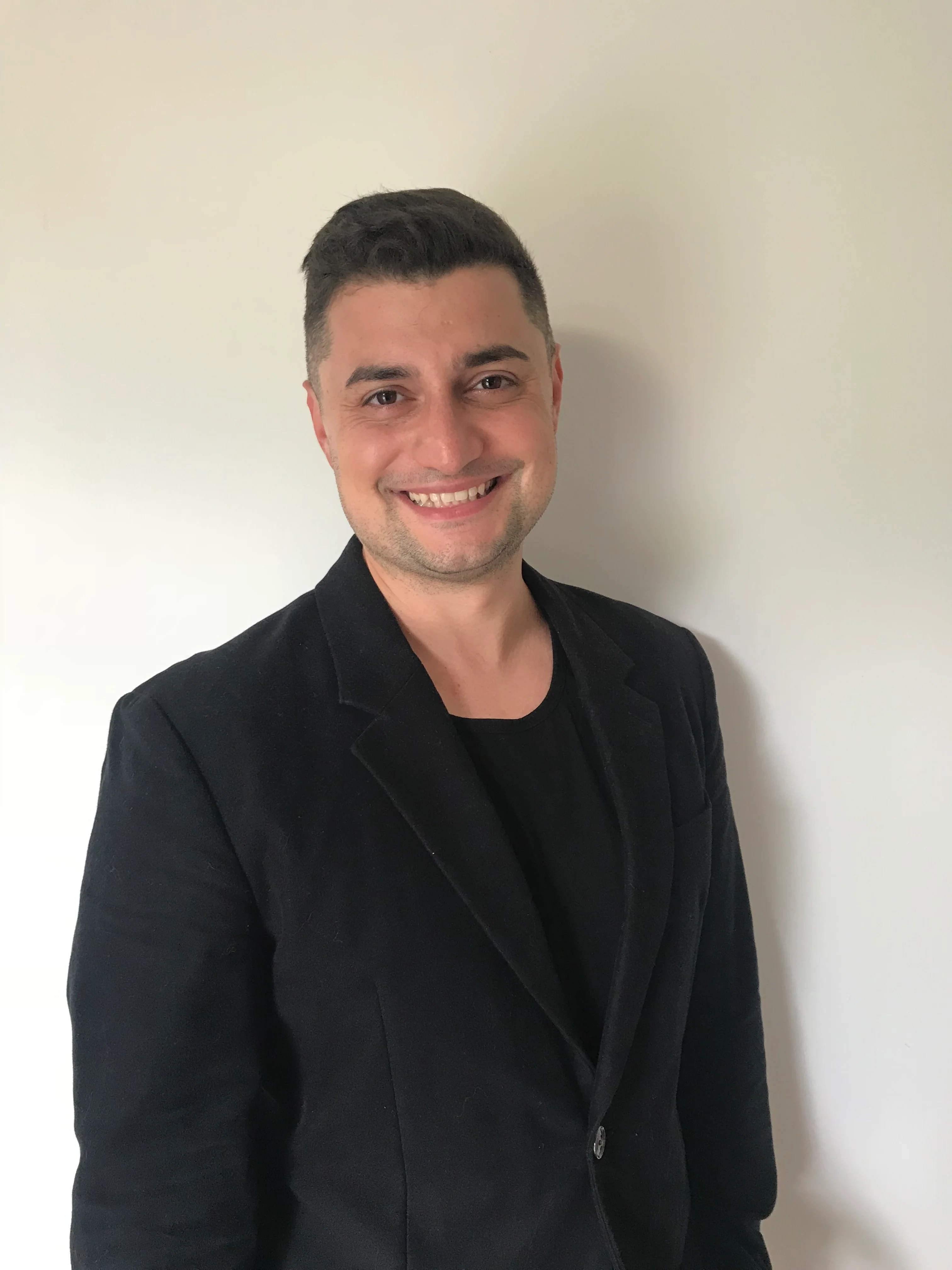
"Awesome service and great results. Alex is really knowledgeable and helpful. Makes everything easy for us to understand with no hassles."
Director
/
Urban Herbalist
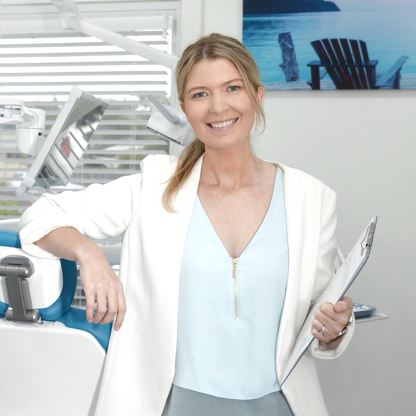
"Dizian has been an integral partner in our online business requirements for the last 5 years. Alex has been attentive to all of our digital needs and has allowed us to grow our online presence in a very competitive industry. We are very pleased with his services and continue to see positive results."
Principal Dentist
/
Skye Dental
"Alex is an expert in his field and has always provided us with thoughtful, strategic advice and recommendations. We’ve worked together for a number of years on activities from maintenance to specific campaigns with great results. He’s reliable, responsive and has an obvious passion for what he does."

Marketing Manager
/
RUSH
"We have worked closely with Alex for over 2 years. The rapport that he spent time building right from the beginning of our relationship meant that we were able to focus on growing our business internally knowing that we can trust Alex to grow our business externally. The services that he has provided for us have been invaluable to us as an early-stage startup, ensuring we have got off to the best possible start with all the right things in play. His communication is excellent and he invests time in explaining how things work and what benefit is to us in doing things a certain way. He has gone above and beyond to provide support where needed outside of the primary scope of engagement."

Director
/
PreviewMe
Book a 15 minute no-obligation chat to see how we can help.





62+ Satisfied Partners
Book a call


