Your store's growth should not depend on paid ads alone. If every sale carries an ad cost, your margin is capped by whatever Google charges this month, and it rarely goes down.

Plenty of stores are profitable and fragile at the same time. Revenue looks healthy, but switch the ad account off and it stops. That is not a business with a growth problem, it is a business renting its customers.
The usual causes are structural. Product descriptions copied from the supplier, so hundreds of stores have identical text. Filter URLs generating thousands of near-duplicate pages that eat the crawl budget. Category pages that are a heading and a product grid with nothing else. Missing or broken product schema, so Google cannot see price or stock. None of that is visible from the dashboard, and all of it caps what the store can earn without paying per click.
Shifting the revenue mix so organic carries more of the load each quarter.
Faceted navigation, duplicate variants, crawl budget, redirect chains and speed. Ecommerce sites generate technical debt faster than any other site type.
Your highest-value pages, treated as landing pages with real buying guidance rather than a grid. One good category page lifts every product beneath it.
Structured data for price, availability and ratings, plus a Merchant Centre feed that is actually compliant, so Shopping and AI search can read your catalogue.
A traditional retainer pays for a team and the office above it. For a business with a defined market and a specific buyer, most of that structure is overhead you never see the benefit of. Here is the difference in plain terms.
| Traditional agency | Dizian | |
|---|---|---|
| Monthly fee | $1,500 to $3,000 | Competitive, delivery is AI-enabled |
| Who does the work | Account manager, delivery by juniors | One experienced expert, AI doing the manual layers |
| Minimum term | Commonly a fixed lock-in | 30 day terms, no lock-in |
| Where the fee goes | Work plus team and office overhead | Work plus tooling, with the difference free for media |
This is not a discount. It is a leaner way of delivering the same work, and what it frees up goes into your media budget rather than our overhead. That is where it turns into leads.
We are Melbourne based and a good share of our work sits in the South-East: Dandenong South, Clayton, Moorabbin, Braeside and Keysborough. Being AI-led rather than office-led means distance adds neither cost nor lag, so the same work happens whether you are in Braeside or Ballarat. If you would rather talk it through in person and you are local, that works too.
Results shown are actual outcomes achieved for the named clients. Individual results vary with market, budget and starting position, and past performance is not a guarantee of future results.
Over 14 years in business, $3.4M in media managed, 6.2x average ROAS, and an accredited Google Partner throughout.
Want a straight read on where you stand? Book a free digital audit at dizian.com.au/contact.
The services behind this, and other industries we work with:
Can SEO replace our Google Ads spend?
Not entirely, and we will not pretend otherwise. SEO lowers your blended cost per sale and reduces dependence on paid traffic, but ads still do things organic cannot: new product launches, retargeting and Shopping placements. The realistic goal is shifting the mix, not eliminating one side.
.svg)
Which matters more, category pages or product pages?
Category pages first for most stores. They target higher-volume searches, they pass authority down to every product beneath them, and fixing one lifts dozens. Product pages come next, prioritised by revenue potential. Stores built around a few hero products are the exception.
Does the platform matter for SEO?
Far less than people think. Shopify, WooCommerce and Magento can all rank well. What decides it is the structure, content and technical work on top. We would rarely recommend replatforming for SEO reasons alone.
We sell Australia-wide, not just Melbourne. Does that change things?
Yes, and it should. Keyword research covers national demand rather than Melbourne queries, and your shipping content, structured data and Merchant Centre setup all need to make the national coverage explicit. See our ecommerce SEO page for the detail.



.webp)





.svg)

.webp)

.webp)






"We found Dizian through a trusted referral, and I’m glad we did. Before engaging Alex, our SEO and Google Ads were honestly in a mess. There was no clear structure, money was being spent without clarity, and campaigns were being tested without a proper strategy. Alex came in, reviewed everything thoroughly, and cleaned up a lot of loose ends. He brought structure, accountability, and clarity to our digital marketing. It immediately removed the headache of wasted ad spend and uncertainty. Unlike many SEO agencies out there, Dizian genuinely takes the time to understand the client’s requirements, the products, and the overall business model. Alex didn’t apply a generic template — he took the time to understand what we do and aligned the strategy accordingly. What stands out most to me is Alex’s integrity and character. He is trustworthy, transparent, and genuinely committed to helping his clients succeed. His depth of knowledge and experience is strong."

Director
/
Andatech
"Dizian Digital made our move to satphoneshop.com.au seamless and handled the transition with care and professionalism. They protected our search visibility throughout the process and helped strengthen our online presence in the Australian market. Beyond the migration, they improved the structure and performance of our campaigns, which helped us attract more of the right customers and generate better quality enquiries and sales. They were proactive, clear in their communication, and genuinely took the time to understand our business, our products, and the importance of trust and reliability in the satellite communications space."

Marketing Manager
/
SatPhoneShop
“We were looking for an agile, responsive and strategic digital partner to help manage our website. Dizian met our brief and continues to deliver beyond expectations, providing proactive and valuable SEO and data-driven expertise.”

Marketing Director
/
Law Chambers
"Alex has been great to work with. His projections have all been correct and we are seeing unprecedented inquiries through the website."

Owner
/
Dwyer Brick Fences
"We have been working with Alex & team over one year now and are very happy with the service. It is very professional, and we get very quick replies for our requests. We have regular meetings with reporting and are very happy to recommend Dizian services."
.png)
Co-Director
/
Venla Resell+Relove
"I've had the privilege of working closely with Alex since 2018. His skillset and dedication to genuinely adding significant value to his client's is second to none. Highly, highly recommend for businesses looking to secure an unfair advantage for their business on Google."

Founder
/
Edition
"Alex was able to help us implement an upgrade to our Google Ads Search and Shopping campaign structure across NZ and Australia. He helped ensure the structure was set up in a way that was clear and easy to use. Alongside this, he designed a supporting user friendly dashboard to report progress. Alex really knows his way around Google Ads and was very responsive to our needs during the project."
.png)
Director
/
Six Barrel Soda
"Awesome service and great results. Alex is really knowledgeable and helpful. Makes everything easy for us to understand with no hassles."
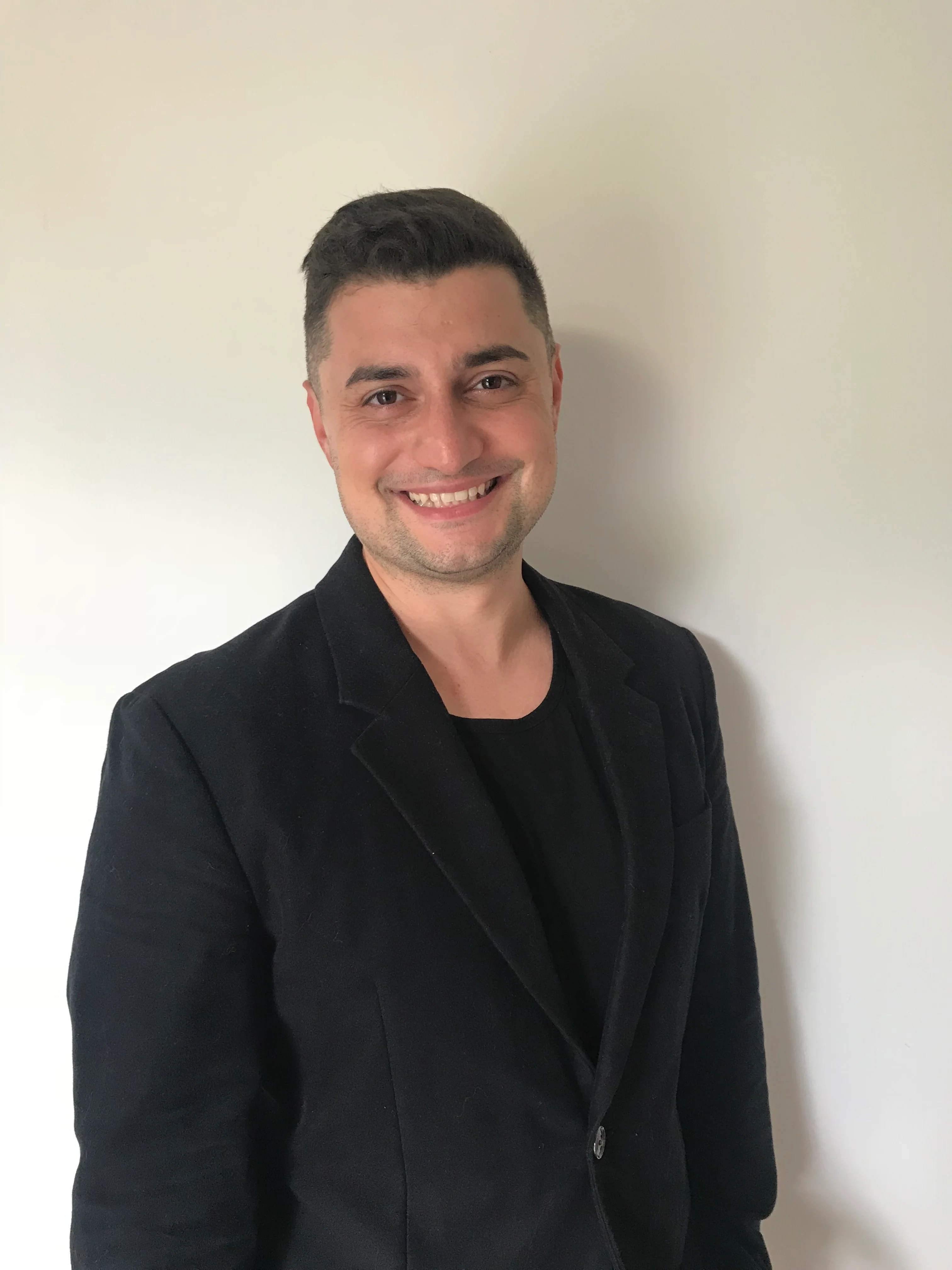
Director
/
Urban Herbalist
"Dizian has been an integral partner in our online business requirements for the last 5 years. Alex has been attentive to all of our digital needs and has allowed us to grow our online presence in a very competitive industry. We are very pleased with his services and continue to see positive results."
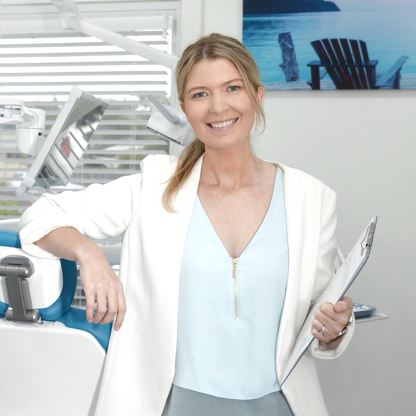
Principal Dentist
/
Skye Dental
"Alex is an expert in his field and has always provided us with thoughtful, strategic advice and recommendations. We’ve worked together for a number of years on activities from maintenance to specific campaigns with great results. He’s reliable, responsive and has an obvious passion for what he does."

Marketing Manager
/
RUSH
"We have worked closely with Alex for over 2 years. The rapport that he spent time building right from the beginning of our relationship meant that we were able to focus on growing our business internally knowing that we can trust Alex to grow our business externally. The services that he has provided for us have been invaluable to us as an early-stage startup, ensuring we have got off to the best possible start with all the right things in play. His communication is excellent and he invests time in explaining how things work and what benefit is to us in doing things a certain way. He has gone above and beyond to provide support where needed outside of the primary scope of engagement."

Director
/
PreviewMe
Book a 15 minute no-obligation chat to see how we can help.





62+ Satisfied Partners
Book a call


